No THAADs ’til 2027: Missile defense experts warn of interceptor ‘gap’
CSIS says the delivery gap in THAAD ground-based interceptors comes after the Army used scores to help defend Israel during the June 2025 Israel-Iran conflict.
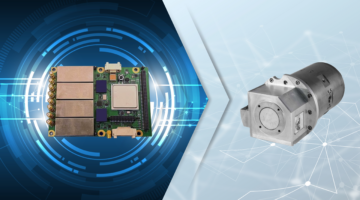
The upgraded AN/TPY-2 radar uses a Gallium Nitride semiconductor that allows it a longer range, enabling an interceptor to launch early enough to hit a hypersonic missile before its starts maneuvering, according to the company.
The American president also said that “Qatar will also be investing $10 billion to support this massive base [Al Udeid] in the coming years. There is no place like it they say.”
The Stimson study predicts that the US "would likely run out of Patriot and THAAD interceptors within the first 24 hours of a military conflict."
Air Force Secretary Frank Kendall recently suggested his service could take over the task of defending its air bases from the Army, as long as adequate funding was provided.
The service is also preparing to open up races for a handheld technology, mobile IBCS and flat panel array radar.
The MDA request includes $105 million for the Long Range Discrimination Radar (LRDR), slightly more than the $103.5 requested in FY24. LRDR, deemed a critical capability by US Northern Command (NORTHCOM)/NORAD leaders, will transfer to the Space Force to begin operations in FY25.
Three former senior NORAD officials argue in this op-ed that the homeland defense must be treated like theater defense, prepared for multi-tiered attack.
"There are currently only two production lines for these products: the original production line in the US, and now an additional source of supply here in the Kingdom," Lockheed Martin's vice president and general manager of Integrated Air and Missile Defense, Jason Reynolds told Breaking Defense.
MDA Acting Director Rear Adm. Doug Williams said that the agency's plans include beginning tests of its Next-Generation Interceptor in 2027, "with the anticipation of operational testing of NGI at the end of 2029."
For the past 20 years, GAO finds, "missile threats from foreign adversaries have evolved, and MDA has faced persistent challenges as it attempts to keep pace."
One of MDA's biggest investments in FY24 is for the Next Generation Interceptor, with $2.1 billion requested.
Any missile defense capabilities heading to the region are notable in the wake of a new agreement between Israel and a number of Arab nations around missile defense.
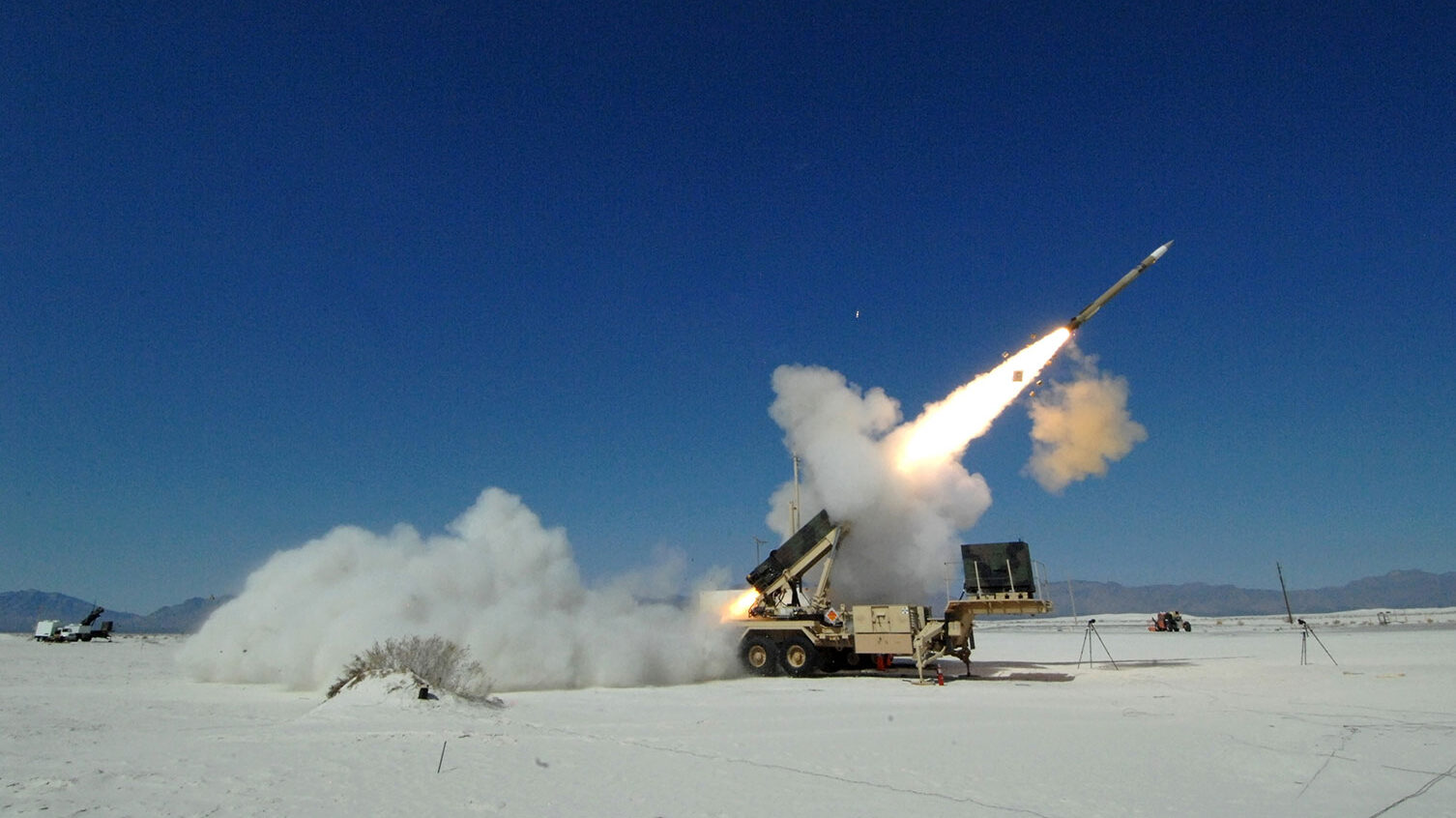
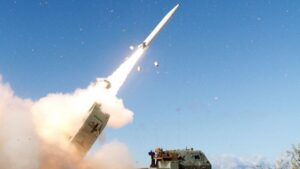
A THAAD system successfully launched a PAC-3 missile segment enhanced at White Sands Missile Range.